


Nail Buffer Blocks
in category: Buffer Blocks
Chosen
Price
Vendor
New
On sale
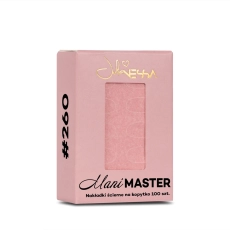
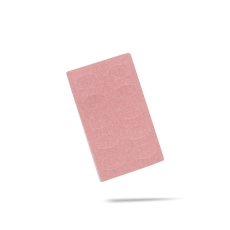
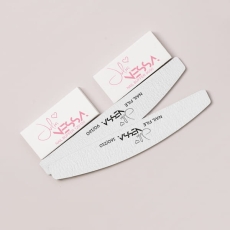
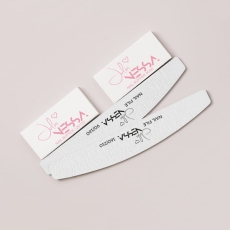
A buffer block is a basic accessory for every nail stylist: it is used to buff the nail plate before a nail set, smooth the surface of gel and acrylic, and matt nail tips. Julia Nessa offers buffer blocks in 90/90, 120/120 and 300/3000 grit – single pieces and packs of 10 and 100, convenient for work in the salon.
List of products



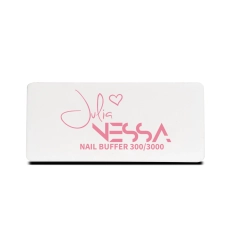
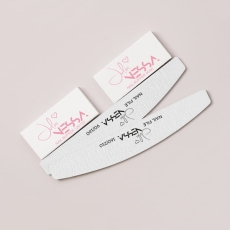
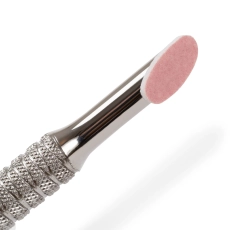

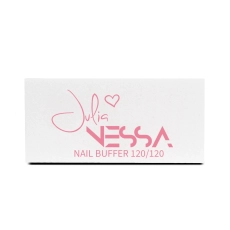
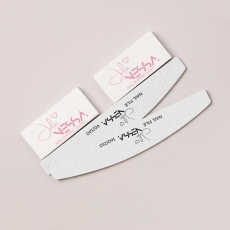

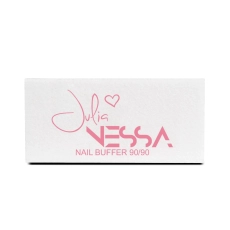

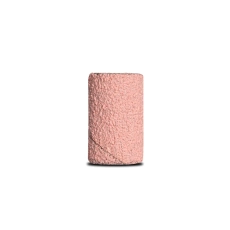
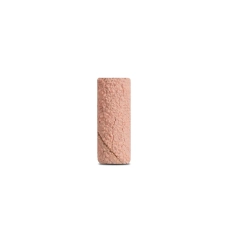
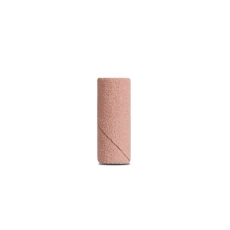
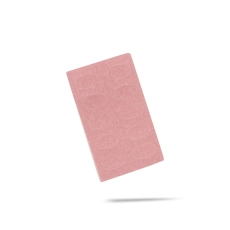


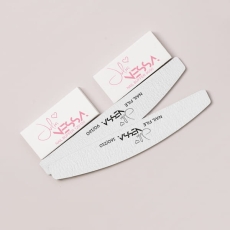

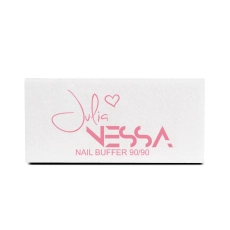
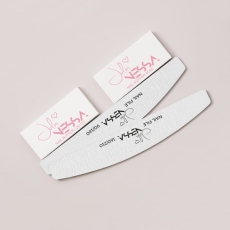
Nail buffer block – which grit to choose
Grit is a number that describes the coarseness of the surface: the higher it is, the finer the grain and the gentler the block. Choose it to match the stage of the nail set:
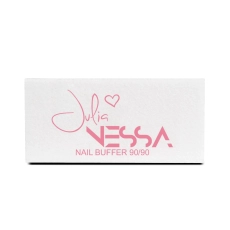
- ♥ 90/90 – the strongest of the blocks, for matting gel and gel polish surfaces and levelling builder gel: 1 pc, 10 pcs, 100 pcs
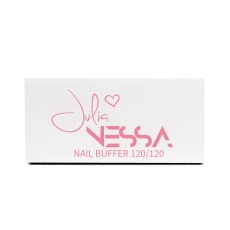
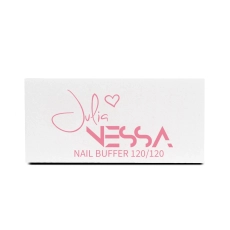
- ♥ 120/120 – a universal block for matting the natural nail plate, gel and tips; it has an ergonomic, three-dimensional shape that sits comfortably in your fingers: 1 pc, 10 pcs, 100 pcs
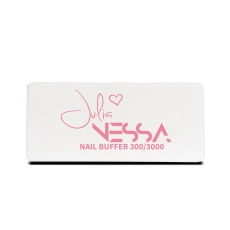
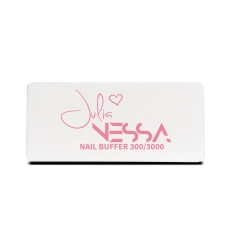
- ♥ 300/3000 – a fine-grit block for classic manicure: it gently matts the plate and polishes it to a shine, for example after removing a nail set: 1 pc, 10 pcs, 100 pcs
Buffer block, nail file or buffer – what is the difference?
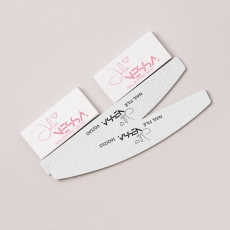
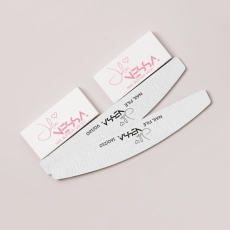
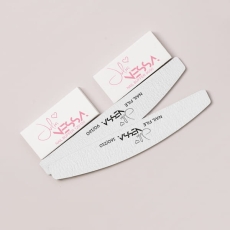
A nail file is flat and is used mainly for shortening and shaping. A buffer block has a three-dimensional form and a larger abrasive surface, so it works better for matting the whole nail plate and smoothing a nail set – in manicure and pedicure alike. A buffer with a very fine grit gives the nail plate a shine; in the Julia Nessa range that job is done by the 300/3000 block, which matts and polishes in one accessory.
How to use a buffer block
Prepping the nail plate is one of the most important stages of a nail set, and a professional buffer block makes it easier at every appointment. Without matting and dehydrating the plate, the base coat and gel do not have proper adhesion, and the nail set lifts sooner.
- ♥ shorten the nails and shape them with a nail file
- ♥ matt the surface of the nail plate with the buffer block using light, even strokes – from the cuticles towards the free edge, not forgetting the side edges
- ♥ remove the dust and dehydrate the plate, then move on to applying the base coat or gel
- ♥ for builder gel and acrylic sets, use the block to smooth the surface of the product before applying the top coat
Buffer blocks in the salon – hygiene and savings
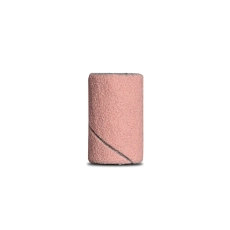
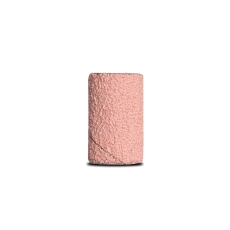
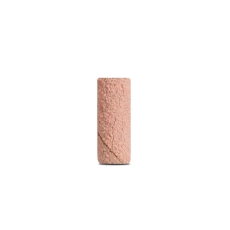
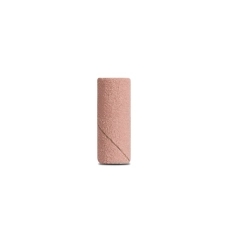
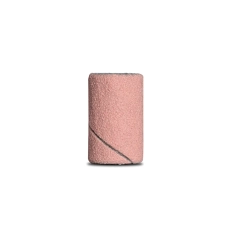
A buffer block comes into direct contact with the client's nail plate and cannot be sterilised like a metal tool, so in the salon it is treated as disposable – every client gets a new block. Packs of 10 and 100 pcs are a convenient stock for many appointments and lower the cost per block. For quick product removal with an e-file, sanding caps for mandrel in 160 and 260 grit also work well.
Buffer blocks – frequently asked questions
What is a nail buffer block used for? For matting the natural nail plate before a nail set, smoothing the surface of gel and acrylic and – in 300/3000 grit – polishing the plate in a classic manicure.
Is a buffer block disposable? In the salon, yes – for hygiene reasons every client should have a new block.
Which buffer block should I choose for a natural nail plate? The most universal is the 120/120 block – it will matt a natural nail plate, gel and tips.
What should I use to polish nails? To add shine to a natural nail plate, use a fine-grit buffer or the 300/3000 block – first gently matt the plate with the coarser side, then polish it with the side with the higher grit.
For professional use only.