


Nail Files
in category: Nail Files
Chosen
Price
Vendor
New
On sale
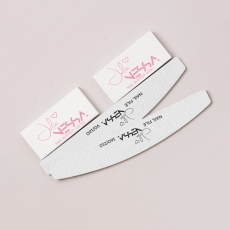
Nail files are the basic tool of every manicure – they let you shorten a natural nail, shape it and matt the surface before a nail set. In this category you will find Julia Nessa files in 90/160 and 160/210, in standard and slim versions, as well as sanding caps for mandrel and sanding pads for the cuticle pusher. The files are available singly and in packs of 25, 50 or 100 pcs, so it is easy to match your stock to the number of clients.
List of products
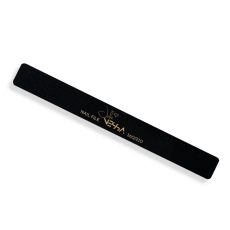


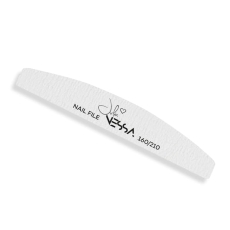
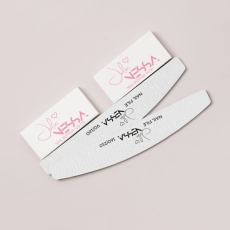


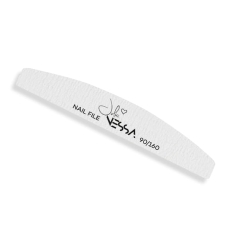

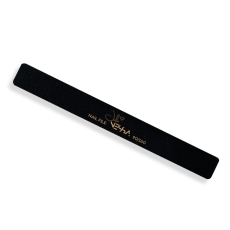
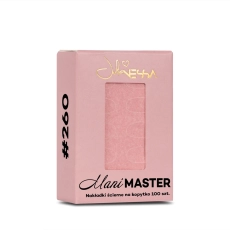
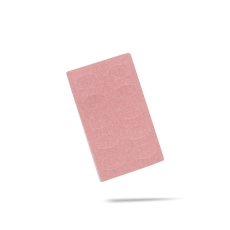
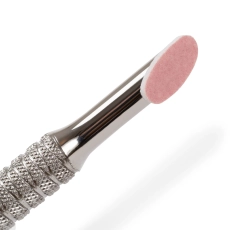
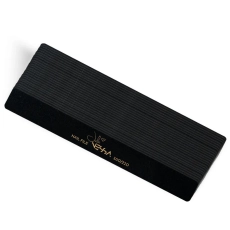
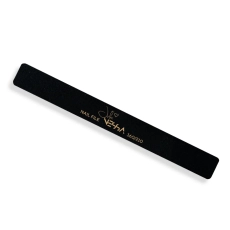


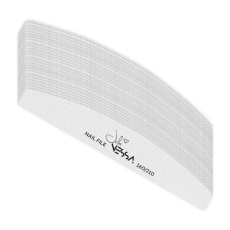
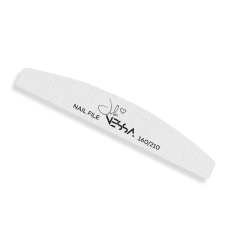
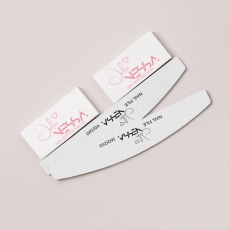


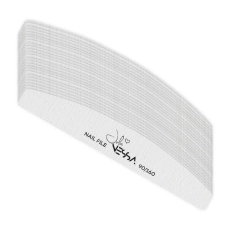
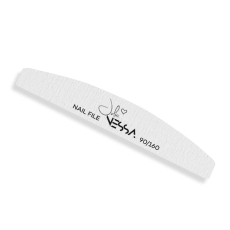

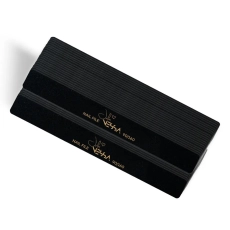
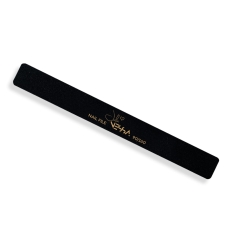

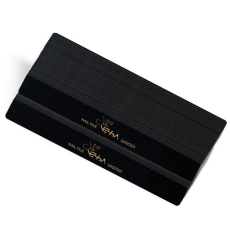
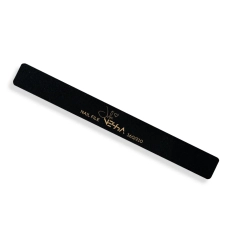
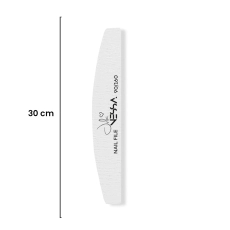


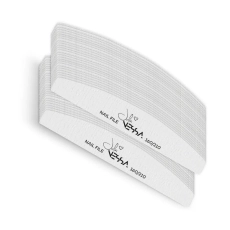
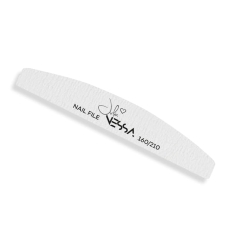
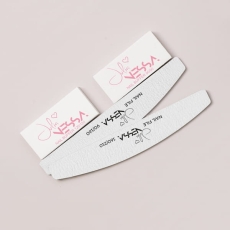


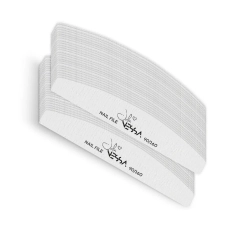
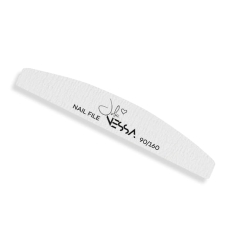
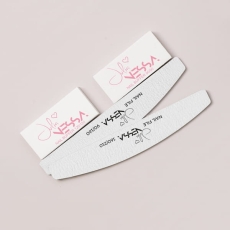
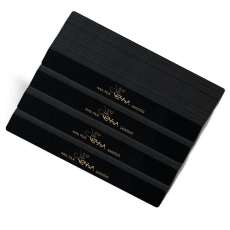
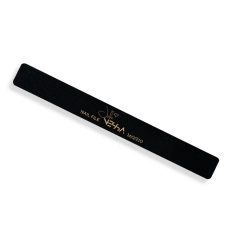
Nail files and buffers – professional files for manicure
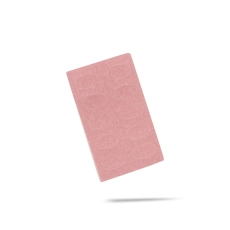
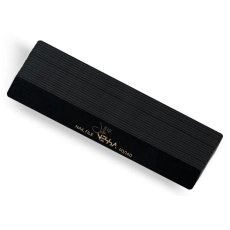
It is hard to imagine a nail stylist's work without a good file. It decides whether the nail shape will be even and the nail ready to take the product. Two kinds of abrasive accessories are usually useful at the nail desk: a nail file, which you use to set the length and shape the free edge, and a buffer – a block for matting and smoothing. An example is the 120/120 buffer block, which gives precise matting of the natural nail plate, gel and other surfaces.
Files come in different shapes and sizes – the Julia Nessa range includes standard and Slim models. A wide choice of files lets you pick the tool for work in the salon as well as for a manicure in the comfort of your own home.
How to choose the right nail file? Grit and coarseness of a nail file
The most important parameter is grit, the number that describes the coarseness of the grain on the abrasive surface. The lower the value, the coarser the grain and the stronger the filing; the higher the value, the gentler the work and the smoother the finish. Coarse files remove material faster, while fine ones let you perfect the details. That is why it is worth keeping files of different grits to hand at the same time.
- Shortening and shaping – choose a lower grit for this stage. The 160 side of the 160/210 file lets you shorten a natural nail efficiently, shape it and smooth the edge.
- Prep for a nail set – before applying gel polish, builder gel or acrylic, the plate is matted with the gentler side, for example 210. This improves the adhesion of the product and the wear of the nail set.
- Smoothing and levelling – a buffer will help you level the surface of the plate and remove small unevenness.
- Type of nails – depending on the type of nails and the effect you want, reach for the stronger or the gentler side. For a natural nail plate, use a milder grit.
Types of files: paper, disposable, SLIM
The 160/210 file in a pack of 50 has an ergonomic half-moon shape that makes it easy to work freely on the nail and on the product around the cuticles. One side is for shortening and shaping, the other for matting, so it is a universal choice for everyday work. If you would like to check first how this model works, order a single 160/210 file.
The 90/160 file has lower values, so it sands more strongly and comes in handy where you need more intensive work. SLIM versions are available in 160/210 and 90/160,
Sanding caps for mandrel and sanding pads
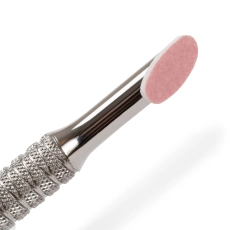
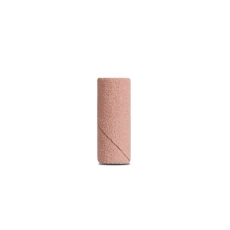
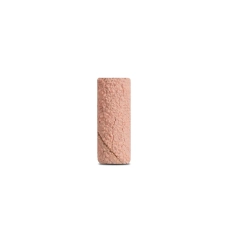
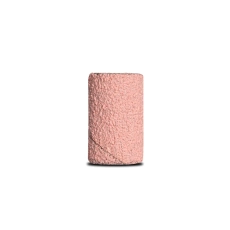
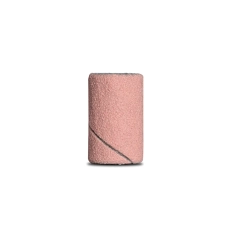
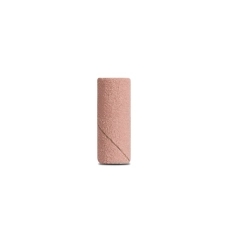
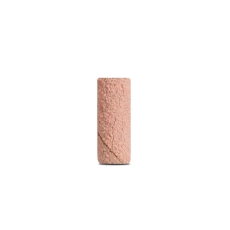
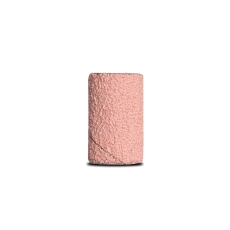
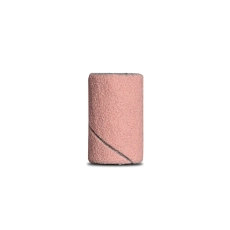
If you work with an e-file, in the category you will find sanding caps for mandrel in 160 and 260 grit, in standard and mini versions, for example mini sanding caps for mandrel 160 – 100 pcs. Mini caps fit the Mini Mandrel bit. You can use the caps for manicure and pedicure, but for work on the feet Pododisc sanding pads work better. The range also includes 260 grit sanding pads for the cuticle pusher from the Master Mani line.
A nail file for natural nails – how to choose a file for shortening
Working on natural nails calls for a gentle touch. Guide the file with light, smooth strokes, ideally in one direction and without pressing hard on the nail. To shorten the free edge, use the 160 side, and matt the nail before a nail set with the 210 side. Leave the stronger 90 grit for jobs that need it.
The form of the tool matters too. The half-moon shape makes it easier to work in hard-to-reach places by the cuticles and side walls, while a longer format lets you work the whole edge in one stroke. Remember that a file can be used on fingernails and toenails, but it is worth having a separate one for the feet.
How to use a nail file? Free edge shapes
A nail file lets you give the free edge the shape you choose. Before you start, agree the final length and shape with your client, then work symmetrically on both sides of the nail.
- Oval – file the sides of the nail in a gentle curve, guiding the file from the edge towards the centre.
- Square – file the free edge straight and keep the sides of the nail parallel to each other.
- Almond – narrow the sides gradually towards the centre until you get a rounded tip.
- Rounded square – start with a square shape, then gently round the corners.
When working on nails, avoid filing back and forth with strong pressure – this way of working can encourage the free edge to split. When preparing nails for a gel polish manicure, after shaping, matt the surface and remove the dust thoroughly.
Glass or paper nail file? Choosing the right file for the job
Julia Nessa also offers files that you simply throw away after the treatment. Every client gets a new tool, which ensures a high level of hygiene and limits the risk of passing bacteria between people.
When choosing an accessory, go by its job: you will pick a different grit for shortening and another for matting, and for e-file work you will reach for sanding caps. This approach makes plate prep easier and saves time.
How to use a file – hygiene and good practice
- Dust removal – after each stage of filing, remove the dust so that the following products land on a clean nail surface.
- Hygiene – throw disposable files away after the treatment and do not use them on the next client.
- Stock – bulk packs make work in the salon easier. The 120/120 block is also available in a pack of 10.
- Pace – when matting, do not linger too long in one spot. It is enough to matt the whole nail gently, especially by the cuticles.
Frequently asked questions
Which grit should I choose for natural nails?
For shortening and shaping natural nails, the 160 side of the 160/210 file works well, and for gently matting the plate before a nail set – the 210 side.
What should I use to matt the plate before gel polish and builder gel?
Before applying gel polish or builder gel, use the gentler side of the file or a buffer. When you want to matt cured gel before the next stage of work, reach for the 120/120 block.
How do you use a buffer?
A buffer lets you matt and level the surface of the nail or product. Guide it lightly over the whole nail, then remove the dust thoroughly.
What is the difference between a nail file and a buffer?
A nail file is used mainly to shape the length and the free edge. You use a buffer to matt and level the surface – of a natural nail as well as of cured product.
How many files is it worth keeping in stock?
It depends on the number of clients. A single piece lets you test a model, and packs of 25, 50 and 100 make it easier to keep a stock. Because each piece goes to one person, the easiest way to estimate demand is by the number of treatments you do per month.
What are sanding caps for mandrel?
They are abrasive caps fitted onto the mandrel bit. The range includes standard and mini caps in 160 and 260 grit, in packs of 10 and 100 pcs.