


Cuticle Bits
in category: Cuticle Bits
Chosen
Price
Vendor
New
On sale
A cuticle bit is an e-file tip that lets you precisely remove cuticles and hardened skin around the nail plate and smooth the nail folds. Julia Nessa cuticle bits have diamond grit, and the colour of the marking tells you the strength of each model: mint means gentle, pink means medium. In this category you will find bits in teardrop, trapezoid and long cone shapes, as well as models that combine two bits in one. The models described below have a 2.35 mm shank, fit the most popular cosmetic e-files and work well in both manicure and pedicure.
List of products
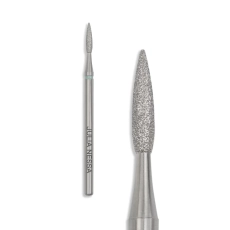
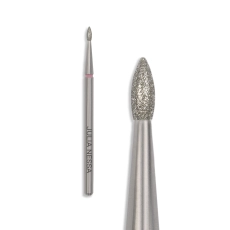
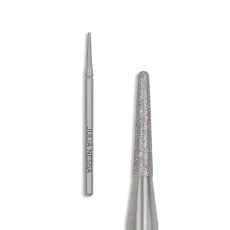
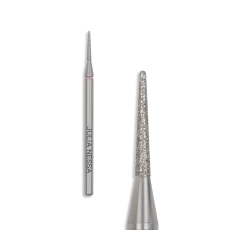
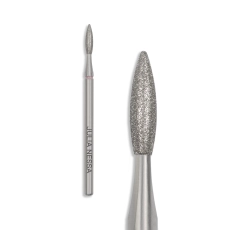
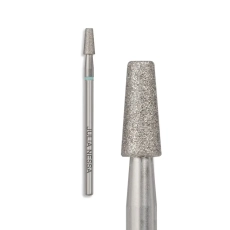
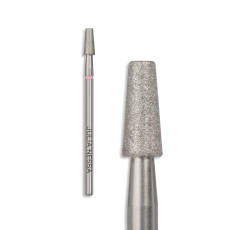
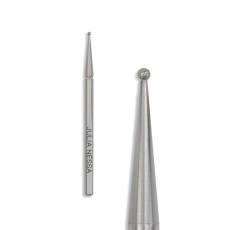
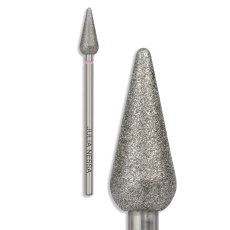
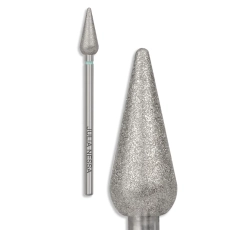
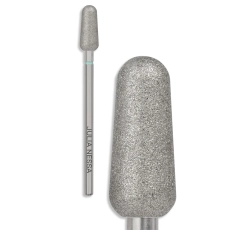
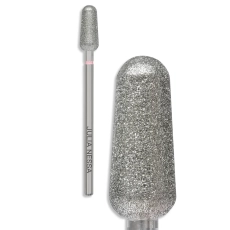
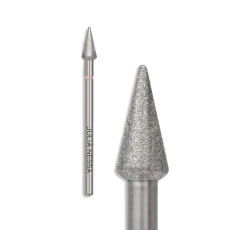
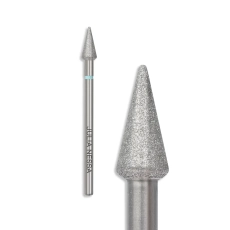
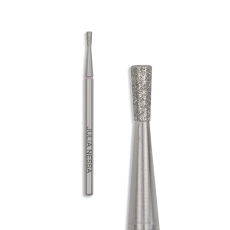
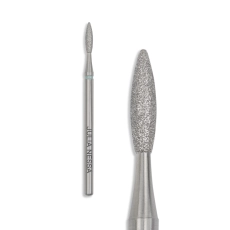
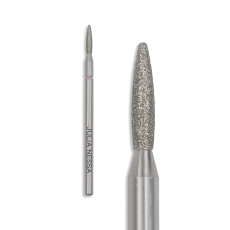
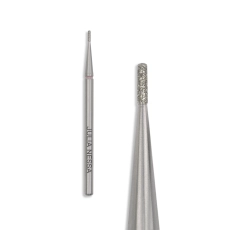
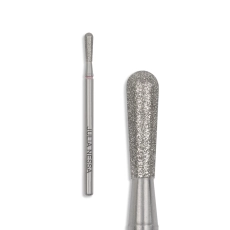
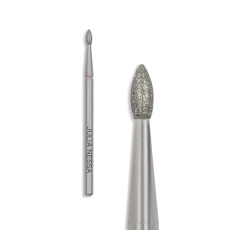
Diamond Cuticle Bits – Professional Nail E-File Bits
Diamond grit is a fine, hard particle that wears away hardened skin gradually and under full control. In Julia Nessa models it is very finely ground, so the tip works evenly and cuticle work is thorough and neat. These are professional bits that a nail stylist reaches for in the salon, but we designed many of them for beginners too.
The colour marking on the shank tells you the strength – in practice it is the grit described by colour rather than by a number. In the models described here, the mint marking means gentle strength and the pink one means medium. That way you can tell at your nail desk at a glance which tip is for thin, sensitive skin and which is for thick, dry skin.
Types of Cuticle Bits – Shapes and How They Are Used
The shape of the head decides where you can reach comfortably: under the nail fold, into the corners of the nail fold, onto the surface of the nail plate or into hard-to-reach spots along the side walls. Below we describe the models and their specifications.
Teardrop Bit
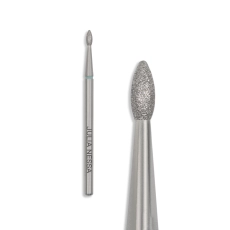
The teardrop tapers towards the top and is used mainly for clearing hardened skin under the nail fold, in the corners of the nail fold and along the side wall, that is the area of the nail folds where skin collects most often. Cuticle Bit No.1 with the mint marking has gentle strength and also seals the skin by polishing it – it is the choice for very thin, sensitive skin. The No.17 teardrop with the pink marking has medium strength and works well for clients with thick, dry skin.
Trapezoid Bit
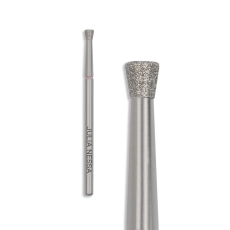
Model No.3 is shaped like a trapezoid and is excellent for removing cuticles around the nail fold and lifting them off the nail plate. Its even, finely ground grit of medium strength allows very thorough work and minimises the risk of damaging the nail plate. Its flawless finish means it can be used by experienced people and by those just starting out with nail work.
Long Cone with a Rounded Tip
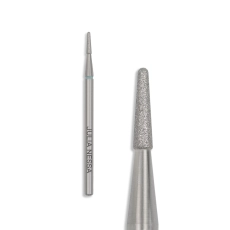
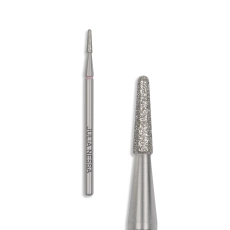
Cone No.15 removes dry, hard cuticle skin from the surface of the nail plate and also copes well with hard-to-reach spots in the side walls. The round head lets you lift the nail fold freely, and the finely ground grit makes work comfortable, without snagging.
Two-in-One Bits
Models that combine two bits let you clean under the nail fold, remove cuticle skin from the nail plate and polish the nail fold without changing the tip. Cuticle Bit No.20 has the pink marking and medium grit strength, while model No.21 has the mint marking and gentle strength. Both are also good for smoothing the nail folds after the treatment.
How to Choose a Diamond Cuticle Bit – Strength, Grit and Precision
Choosing the right bit starts with assessing your client's skin and the stage of the treatment. Before you decide, consider a few things:
- Skin type – for delicate cuticles and thin skin, gentle strength is better; for harder cuticles and visible hardened skin, choose medium.
- Shape – the teardrop and cone make work easier in the corners of the nail fold and along the nail folds, while a trapezoid, such as Cuticle Bit No.3, helps lift cuticles off the nail plate.
- Compatibility – the 2.35 mm (3/32") shank fits all the most popular cosmetic e-files.
Experienced nail stylists usually put together several shapes and strengths, because precision around the nail folds depends on whether the tip suits each client's skin.
Cuticle Bits for Manicure and Pedicure
You can use cuticle bits on both hands and feet. In an e-file manicure they help remove leftover cuticle skin from the nail plate and clean the area around the nail folds, and in pedicure they take care of the cuticles around toenails. The rule for choosing strength stays the same: the thinner the skin, the gentler the grit.
Cuticle Work Step by Step – How to Use Bits and an E-File to Smooth the Nail Folds
- Work on a clean, dry hand or foot and in good light – this is the basis of good technique, also for a manicure at home.
- Make sure the tip is locked firmly in the chuck and turns without vibration.
- Start at low speed and increase it gradually, watching how the skin reacts.
- Guide the tip smoothly and without pressure – do not hold it in one spot, to limit the risk of damaging the nail plate.
- First gently lift the nail fold, then clean the corners of the nail fold and the side walls, and finally smooth the skin around the nail. This order reduces the risk of damaging the natural nail plate.
Diamond, Carbide or Ceramic Bit?
The material of the tip depends on what you want to remove. Tips with diamond grit are meant for cuticles – the fine grit lets you work precisely around the skin. Carbide bits, made of tungsten carbide, have blades and are used to remove builder gel, while a ceramic bit is for removing gel polish.
Sterilising Bits and Hygiene in a Nail Stylist's Daily Work
All Julia Nessa cuticle bits tolerate disinfection and sterilisation well, so you can easily meet hygiene requirements in your salon. Your client's safety and comfort depend on clean tools. After every client, remove dust and any leftover skin from the tip, disinfect it, and then sterilise it according to the procedures in your salon. Keep clean tips separate from used ones and do not drop them on hard surfaces – a damaged head can vibrate during work.
Frequently Asked Questions About Cuticle Bits and E-Files
Which cuticle bit should I choose to start with?
A teardrop is a good start, and we designed it for people at every level. For sensitive skin choose gentle strength, and for thick, dry skin choose medium, e.g. the No.17 teardrop bit.
What do the colours on the shank mean?
The colour tells you the strength of the diamond grit: mint means gentle strength and pink means medium.
Can I use these bits on feet?
Yes, cuticle bits work for both manicure and pedicure.
How many tips are worth having at your nail desk?
It depends on your technique and your clients. Many people start with a teardrop for hardened skin at the nail folds and a trapezoid for lifting cuticles, and over time add a narrow cone for work along the side walls. Bits of different shapes and strengths let you match your technique to each client.