


Cover Builder Gels
in category: Cover Builder Gels
Chosen
Price
Vendor
New
On sale
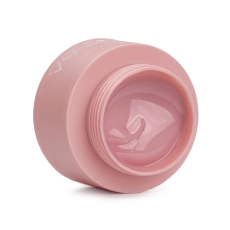
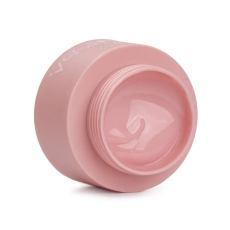
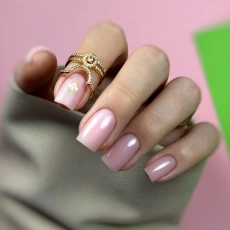
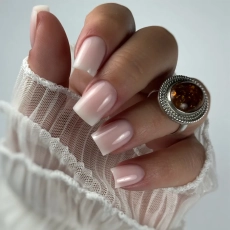
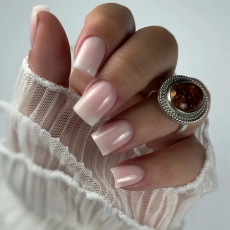
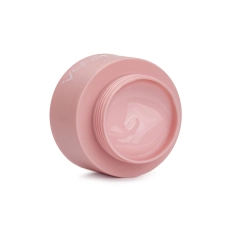
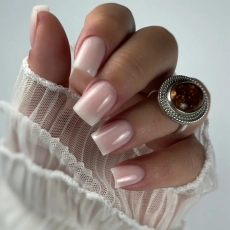
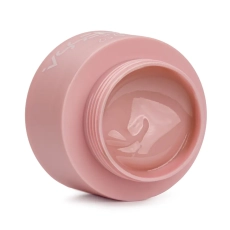
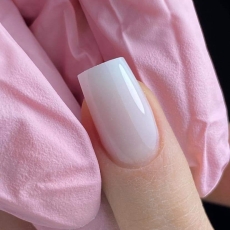
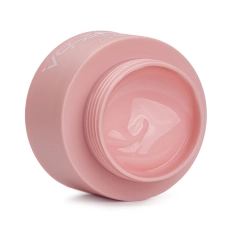
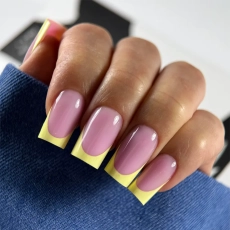
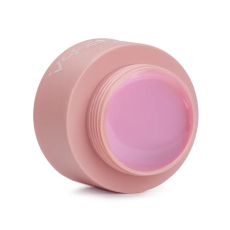
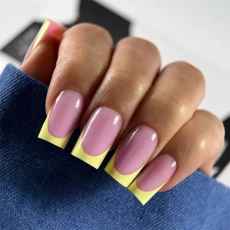
Cover builder gel masks the natural nail plate and evens out its colour – leave the set as it is for a natural look, or build a French on top. This category has four lines of different hardness: Jelly Cover, Master, Smooth Gel and Tixy, in nude, pink, beige and white shades.
List of products
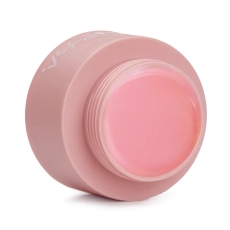
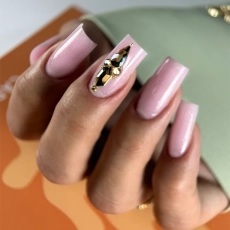

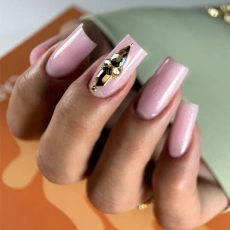
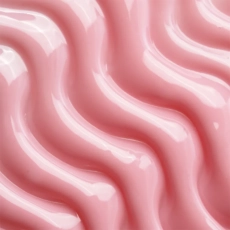
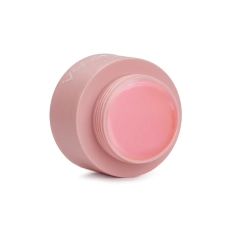
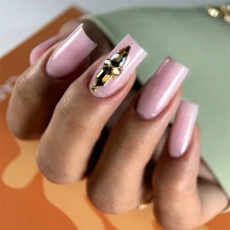


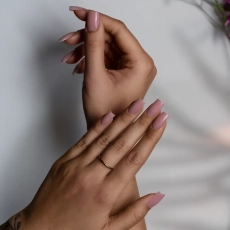




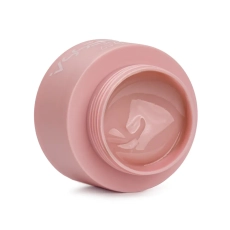
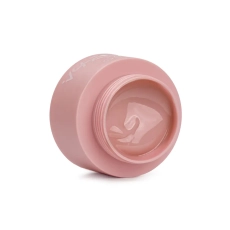
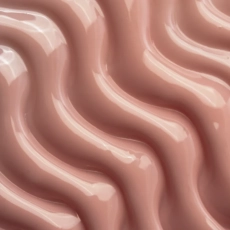

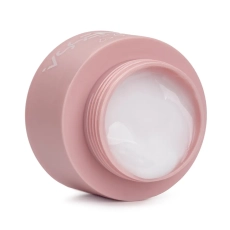
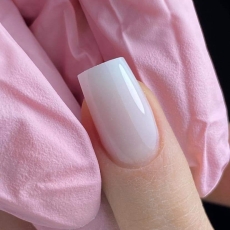
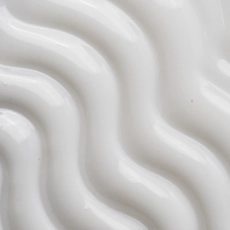

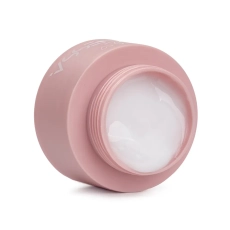
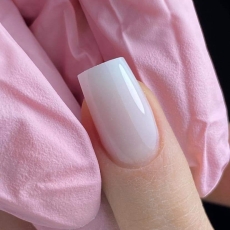
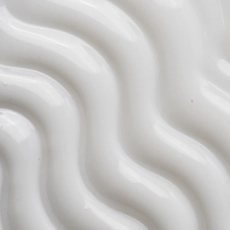

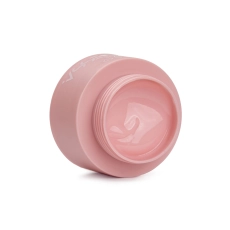
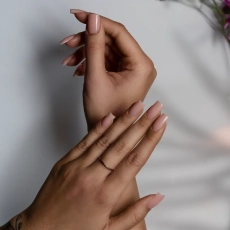
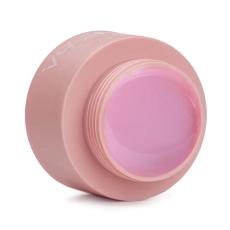
Cover builder gel – what it is and what it is for
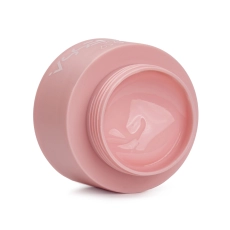
Cover builder gel is a pigmented builder gel that masks the natural nail plate and hides its imperfections. The difference from a clear gel is simple: clear shows the nail plate as it is, while cover masks it – it evens out the colour and hides discolouration and the regrowth line.
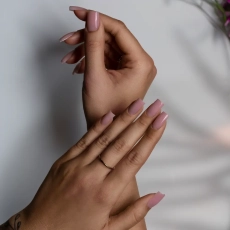
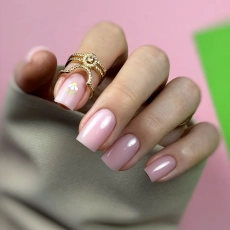
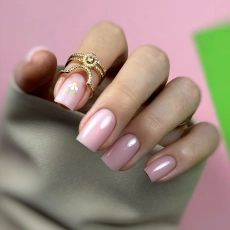
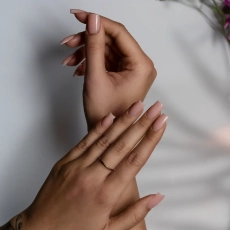
In practice it is the base of most nail sets. You can leave a set on cover gel with no colour on top and it will look natural but polished. You can also use it as the structural layer under a French or under gel polish – the colour then goes on evenly, because the surface underneath is uniform.
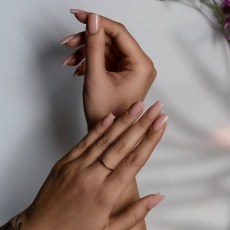
Camouflage gels work especially well for clients who want well-kept nails without obvious colour. It is a set that does not show regrowth for the whole time it is worn.
Four cover gel lines – how they differ
This category has four lines of different hardness and consistency. They are not variants of the same product – each one was made for a different way of working.
Jelly Cover is the hardest gel in our range. It has a jelly-like consistency and high adhesion, and it works well for extreme shapes and structured French. It comes in two shades – Beige and Pink – in 15 and 30 ml. It is the gel chosen for nail competitions.
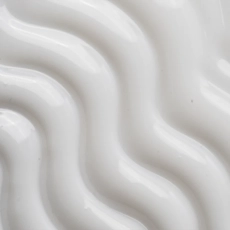
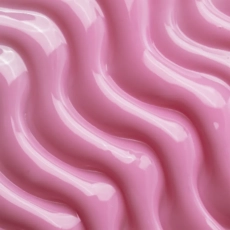
Master has a rare, pudding-like consistency: very thick, with only minimal levelling. The product stays exactly where you place it, so you can build the nail for as long as you need without worrying about flooding the cuticles – and with a little practice you can build several nails in one go. It holds the C-curve without pinching, which saves a lot of work on fantasy French and structured French. The range includes Master White, Pink, Cloud Pink, Milky and Clear.
Smooth Gel is a self-levelling line with 70–80% coverage. You can work with it on dual forms and on classic nail forms – it suits both overlays on the natural nail and extensions. It is hard once cured, can be pinched, and comes in many shades – Candy Pink, Dusty Rose, Silky White and the Diamond versions with fine glitter: Cotton Candy, Lavender, Misty Rose. Available in 15, 30 and 50 ml.
Tixy is a medium-hard line with thixotropy. In the jar the gel is thick, under the movement of the brush it becomes pliable, and when you stop working with it, it returns to a thicker form and stays in place. You can use it on dual forms and on classic nail forms, for overlays and extensions. The opaque shades are Tixy Cover Natural, Milky, Marshmallow, Petit Pink and Hot Pink, and with glitter – Tixy Cover Diamond Natural and Diamond Pink. All in 15, 30 and 50 ml.
Nude and natural shades – the most popular choice
Most cover gels in our range come in nude and natural pink shades. That is no accident – a natural shade is the foundation of a set on which you then build everything else.
In beige we have Jelly Cover Beige, and in pinks Jelly Cover Pink, Master Pink, Master Cloud Pink and, from Smooth Gel, Candy Pink and Dusty Rose. A milky finish comes from Master Milky and Smooth Gel Silky White, and a transparent one from Master Clear.
Gels with glitter are a separate group: Smooth Gel Diamond Cotton Candy, Diamond Lavender and Diamond Misty Rose. The fine glitter gives a delicate shine that shows in the light – a good choice when your client wants a set without colour, but with a little accent.
Milky and pink shades work best for baby boomer and soft French sets, because they create a ready-made background for shading. Beige shades mask the regrowth line and discolouration of the nail plate better.
Which cover gel to choose for your work
If you build demanding structures, long nails or work with the structured French technique – choose Jelly Cover. The highest hardness means the set will last even at a great length.
If working time matters and you want to build several nails at once – Master. The pudding-like consistency does not run towards the cuticles, so you can apply the product to several fingers and come back to the first.
If you want one product for everything – Smooth Gel. It works on dual forms and on classic nail forms, builds up the natural nail plate and can be used for extensions. Self-levelling does part of the work for you.
And if you work with a technique that limits filing and you need a product that stays exactly where you place it – choose Tixy. It has the same range of uses as Smooth Gel, but it changes consistency under the movement of the brush and is more flexible. You will find the other consistencies in the builder gels category.
Smooth Gel or Tixy – which line to choose
Both lines have the same range of uses: you work with them on dual forms and on classic nail forms, you can build up the natural nail plate and you can make an extension. They differ in two things.
Tixy has thixotropy. In the jar it is thick, under the movement of the brush it becomes pliable, and when you stop working with it, it returns to a thicker form and stays in place. Smooth Gel works differently: it levels by itself, whatever you do with the brush.
Tixy is more flexible. Once cured it copes better with stress, so it suits clients who put a lot of strain on their nails in daily life. Smooth Gel is harder, which gives more stability on longer structures.
In practice: if you work with a technique that limits filing and want full control over how the product is placed – Tixy. If you prefer the product to level the surface by itself – Smooth Gel.
Structured French – why gel hardness matters
In a structured French the white tip is not painted onto a finished nail plate – you build it from product, together with the whole structure. The smile line has to stay exactly where you place it, because correcting it after curing is practically impossible.
That is why this technique needs a thick, hard gel. Master White was made with structured French and 3D nail art in mind – the pudding-like consistency lets you build the smile line without worrying about flooding the sidewall line, and the white pigment does not yellow while the set is worn.
For the base under this kind of French, Jelly Cover Beige or Master Pink work best – both hold the C-curve and give a stable foundation for the white tip.
Coverage and pigmentation – how much does cover gel hide
Coverage is the main feature that sets cover gels apart from clear ones. Smooth Gel has pigmentation at the level of 70–80% – it masks an uneven nail plate colour, but does not look like thickly applied polish. The Jelly and Master lines cover more strongly, thanks to their thicker consistency and greater amount of pigment.
Higher coverage has one more advantage when you do infills: the border between the old and the new product is less visible. With a low-coverage gel you have to work more precisely so as not to leave a visible line.
When applying, take care not to trap air in the product – stirring too quickly with the brush introduces bubbles, which stay in the layer after curing and spoil the look of the set. Thick gels, such as Master, need more attention here than self-levelling ones.
How to work with cover gel
- Prepare the nail plate and remove all the dust after filing.
- Degrease the nail plate with a dehydrator, then apply an adhesion-boosting product.
- Apply a thin layer of base and cure.
- Pick up the cover gel and spread it over the nail plate, building the apex in the right place. With the thicker lines – Jelly and Master – you have more time, because the product does not run.
- Cure according to the power of your lamp – the curing time is given on each product page; for the Master line it is 120 seconds in a 48W DUAL LED lamp. In a UV lamp of lower power the time will be longer.
- If you pinch the C-curve, do it during curing. With the Master line pinching is usually not needed – the gel holds the arch by itself, because it levels only minimally.
- Refine the shape with a nail file and move on to colour or top coat.
All the gels in this category are suitable for extensions on a nail form and on a dual form, and for building up the natural nail plate.
Cover builder gels – frequently asked questions
Which cover gel is the hardest?
Jelly Cover – it is the hardest gel in our range, made for demanding structures and structured French.
Does cover gel replace the base coat?
No. You apply the base under the gel and cure it separately – it is responsible for adhesion to the nail plate. Cover gel builds the structure and masks the colour.
What is the difference between Master and Smooth Gel?
Master has a pudding-like consistency and holds the C-curve without pinching, so you can build several nails at once. Smooth Gel is self-levelling – it evens out the surface by itself, but the C-curve usually needs pinching.
Do white gels yellow?
Master White does not yellow, either during curing or while the set is worn.
The products in this category are for professional use only.