


Types of E-File Bits – Choosing the Right Bit
in category: E-File Bits
Chosen
Price
Vendor
New
On sale
Nail e-file bits from Julia Nessa are professional bits for every stage of a nail set: diamond models for cuticles, tungsten carbide bits for removing gel, ceramic bits for gel polish, plus mandrels with sanding caps and Pododisc pads. The models described here have a 2.35 mm (3/32") shank, which fits the most popular cosmetic e-files. Below the product list you will find a guide to help you choose the right bit for the job. Gentle bits for precise work around the cuticles are collected in the cuticle bits category.
List of products


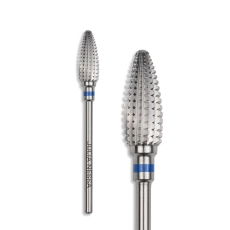
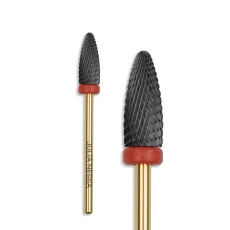
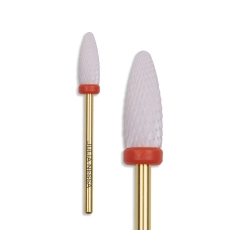
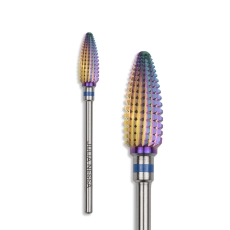
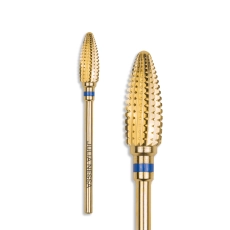
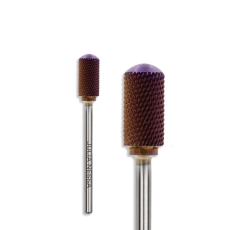
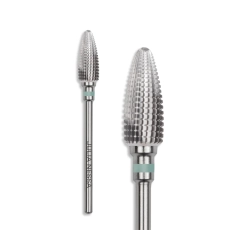
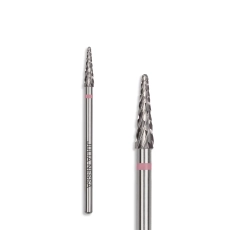

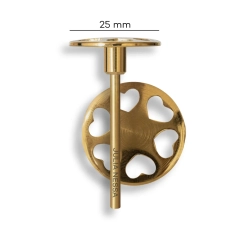
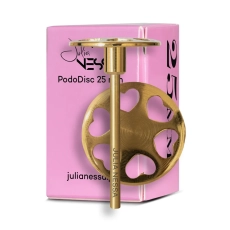
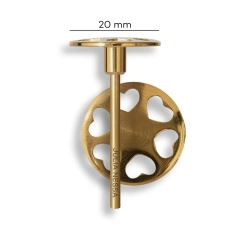
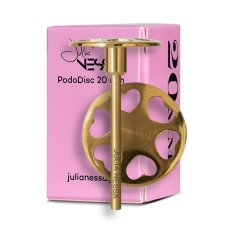

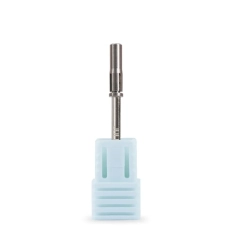
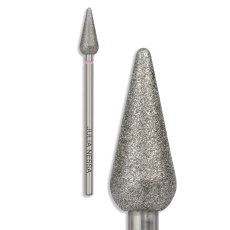
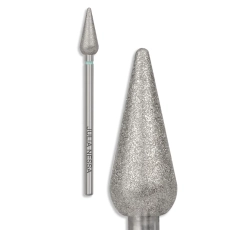
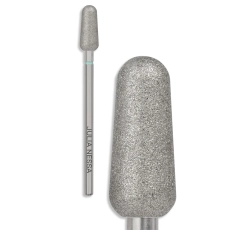
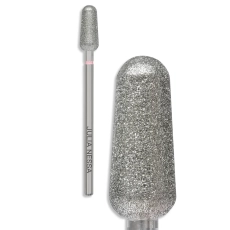
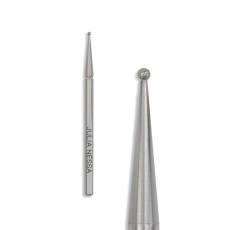
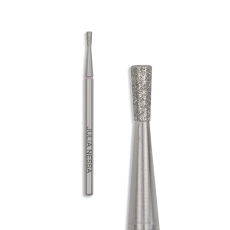
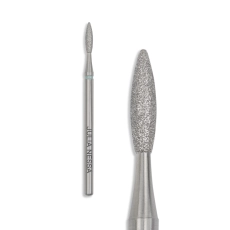
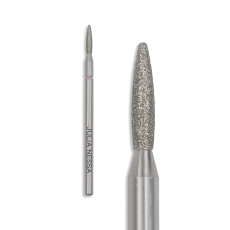
An e-file bit is a replaceable tip for your e-file, and the material, shape and grit decide what you can use it for. Our bits come in four groups:
- diamond nail bits – for working on cuticles, nail folds and the corners of the nail fold,
- carbide nail bits, i.e. tungsten carbide tips – for removing gel,
- ceramic bits – for removing gel polish only,
- mandrels with sanding caps and Pododisc pads – disposable materials for smoothing surfaces.
The right bit is the basis of safe work. Start with a question: what are you removing, and from which surface? One tip works for thin skin around the nail plate, another for taking an old set off an extended nail. You choose the shape – teardrop, cone, trapezoid, cylinder or ball – according to the area you are working on.
Cuticle Bits in Different Shapes – Diamond Bit and Grit
Our bits for the nail fold have very finely ground diamond grit, so cuticle work is precise and comfortable for your client. We mark the grit, that is the strength, with a coloured stripe on the shank: mint means gentle, pink means medium. That way you can tell at a glance which bit to reach for at your nail desk.
- No.1 – a teardrop with gentle strength (mint stripe). It removes hardened skin under the nail fold, in the corners of the nail fold and along the side walls, while polishing and sealing the skin. A good choice for clients with thin, sensitive skin.
- No.17 – the same teardrop shape, but with medium strength (pink stripe), for thick, dry skin.
- No.3 – a trapezoid-like shape with medium strength. It removes cuticles around the nail fold and lifts them off the nail plate. This is one of our bestsellers.
- No.15 – a long cone with a rounded tip. It removes dry, hard cuticle skin from the surface of the nail plate and reaches difficult spots in the side walls, and the round head lets you lift the nail fold freely.
- No.20 and No.21 – two bits in one: you clean under the nail fold, remove cuticle skin from the nail plate and polish the nail fold. No.20 has medium strength, No.21 is gentle.
Diamond bits suit experienced nail stylists as well as people who are only learning to work with an e-file. No.15 and No.17 can also be used for pedicure.
Gel Removal Bit – Tungsten Carbide Bit in Cone, Cylinder and Christmas-Tree Shapes
Cured product is removed with carbide bits made of tungsten carbide. They are sharp tips, and you will appreciate their durability and efficiency at every infill. You can use them to remove gel, acrylic and acrygel. You will find the full group in the gel removal bits category.
- Gel Removal Bit No.1 – a universal cone for taking product off the nail surface, which also works for removing gel polish build. It comes in colour versions: the rainbow No.1 Rainbow and the gold No.1 Gold. High-quality carbide gives them a lifespan of up to over a dozen months.
- No.2 Cameleon – a cylinder-shaped bit with a gentle head. The milder blade gives you more control over the product you are removing, so it is a good choice when you are learning.
- No.3 O! Choinka (the Christmas-tree shape) – a medium-strength bit for working on the underside of the nail, at infills and on dual forms.
- Dual Gel Removal Bit – two different tips for cleaning the join between the natural nail plate and the extension, shaping the cuticle line and correcting drooping nails. It leaves a smooth surface without any snagging.
Models No.1, No.2 and No.3 have a blade layout that works for both right- and left-handed users.
Ceramic Bits – Bit for Removing Gel Polish
When your client wears gel polish only, reach for a ceramic bit. The red ring means a gentle grit, so you remove the product more safely than with sharper tips. Ceramic is very resistant to cracking and mechanical damage, and these tips heat up very little during work – beginner nail stylists will appreciate that, and your client will feel more comfortable. A new bit collects product as fine shavings during the first few treatments and as dust later on.
Remember that this model is too gentle for gel and acrygel, and during work it must not touch the natural nail plate. You can choose the rose gold version or the black one. For more tips, see our guide on which bit to choose for removing gel polish.
Mandrel – Holder for Sanding Caps and Pododisc Pads
The Mandrel for sanding caps is a stainless steel holder onto which you put replaceable pads. It is perfectly balanced, so you work without vibration, and a cap goes on quickly and easily. The Mini Mandrel is designed for smaller pads.
Sanding caps for mandrels come in grit 160 or 260 and in standard and mini sizes, in packs of 10 and 100. They are disposable, so every client gets a fresh cap. A higher number means finer grit and gentler smoothing of the nail plate. For work on feet, Pododisc pads work better than caps – in sizes 20 and 25 mm, in grits 90, 160 and 210 (50 pcs) and as 260 buffers (25 pcs).
Starter Set of Bits – for Nail Folds, Gel and Gel Polish
Putting together your first set of bits for your e-file? This breakdown covers the treatments most often done in beauty salons:
- work around the nail folds: gentle No.1 or No.21 for thin skin, No.3 or No.20 for thicker skin,
- gel: No.2 Cameleon to start with, No.1 as the universal model, No.3 for work on the underside, Dual for infills,
- gel polish: a ceramic tip with a red ring,
- smoothing and feet: a mandrel with caps and Pododisc pads.
How to Work with a Nail E-File – Steps
- Check the shank: 2.35 mm (3/32") fits the most popular cosmetic devices.
- Fit the bit firmly in the chuck and make sure it turns without vibration.
- Start at a lower speed and guide the tip smoothly, without pressing hard.
- Do not hold the bit in one spot – constant movement limits heating and lowers the risk of damaging the nail plate.
- Remove product in layers, and around the nail folds work with short strokes – what counts is the result and your comfort, not speed.
- Dust is reduced by the Studio Air nail dust collector.
Hygiene – Disinfection and Sterilisation of Bits
After every client, remove dust and any residue of product or skin from the bit, then disinfect it. All Julia Nessa bits tolerate disinfection and sterilisation well. Diamond and gel removal bits can be sterilised, and the Dual model can also go in a cosmetic autoclave. Clean and disinfect the mandrel according to the procedures in your salon, and simply replace disposable caps and pads. Keep clean bits separate from used ones and protect them from falling – a damaged tip can cause vibration.
Frequently Asked Questions
Which bit should I choose for cuticles?
For thin, sensitive skin, choose a model with gentle strength and a mint stripe, e.g. No.1 or No.21. For thick, dry skin, models with a pink stripe work well: No.3, No.17 or No.20.
What is the difference between a carbide and a ceramic bit?
The first removes layers of builder gel, acrylic and gel polish build as well as acrygel. The second is for gel polish only and has a gentle grit, so it will not cope with thicker product.
Do the bits fit my device?
Yes, if it takes bits with a 2.35 mm (3/32") shank – this is the standard for the most popular cosmetic devices.
Can left-handed people use the bits?
Yes. Gel removal bits No.1, No.2 and No.3 and the gel polish model with the red ring have a blade layout that works for both right- and left-handed users.